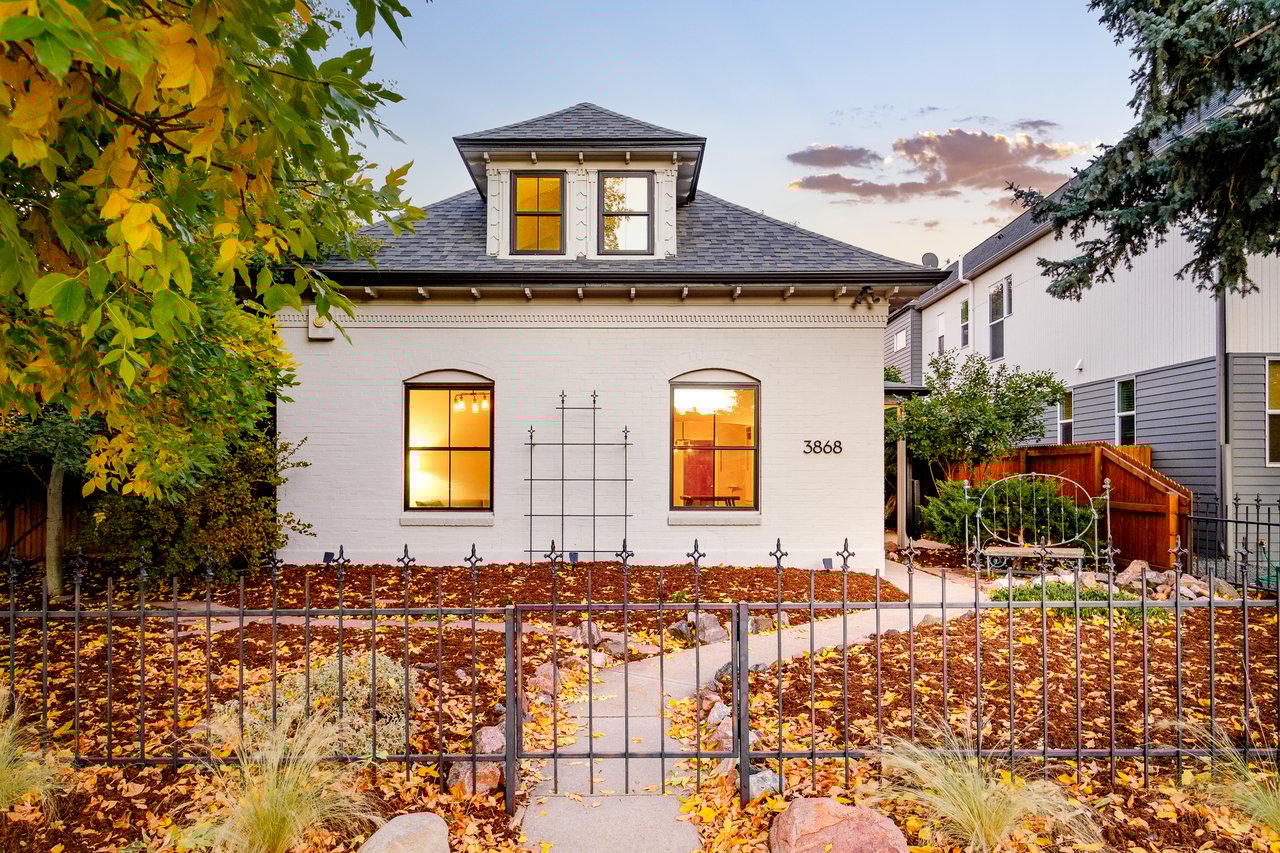
You love the look and lifestyle of the Highlands, but the homes can feel like a design safari. Is that a Victorian with a turret or a Denver Square with a wide porch? You want character, comfort, and a smart long-term buy. In this guide, you’ll learn how to recognize the most common home styles in the Highlands, what their layouts feel like, what to watch for in inspections and permits, and how each choice affects day-to-day living and resale. Let’s dive in.
Highlands at a glance
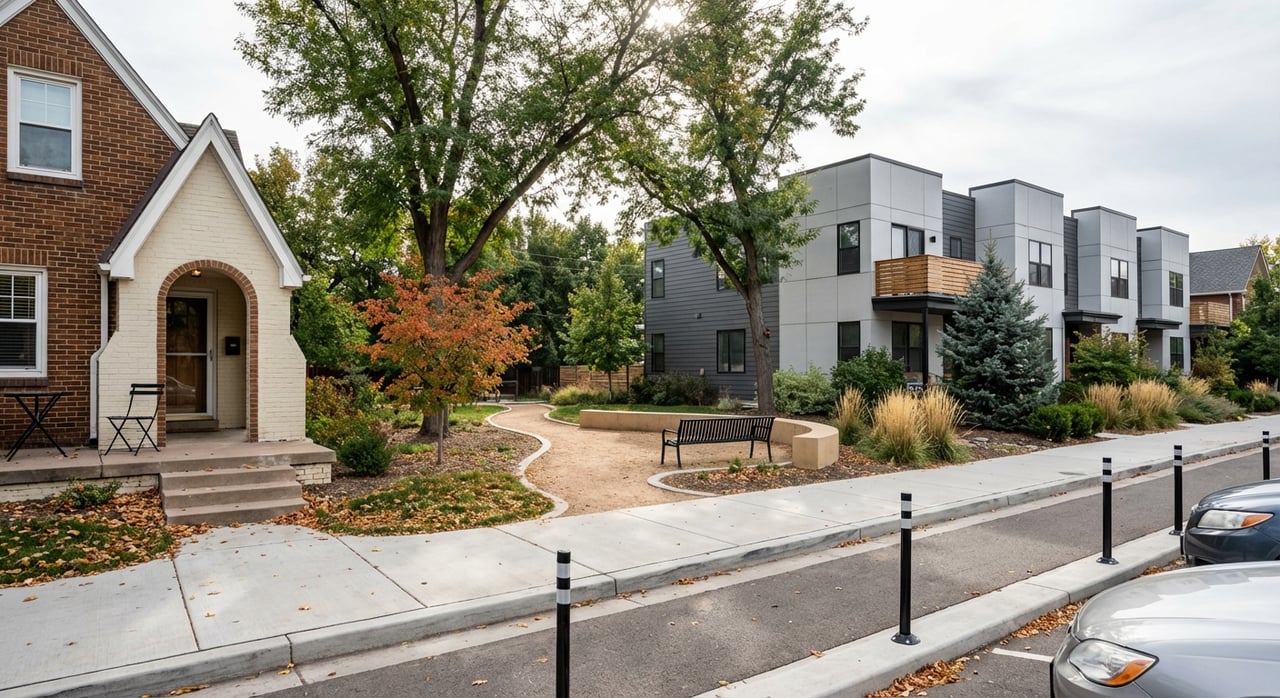
Highlands, including LoHi and West Highland, grew during the streetcar era in the late 19th and early 20th centuries. That history produced a mix of Victorians, Craftsman bungalows, and the locally familiar Denver Square. In the last couple of decades, modern infill has joined the streetscape, so you’ll often see a restored historic façade near a contemporary boxy build.
Some blocks have local historic resources or landmark protections. In these areas, exterior changes and demolitions may require review, so it is important to check a property’s status during due diligence before planning alterations.
How to spot each home style
Victorian
- Visual cues: Asymmetrical front, steep roofs, decorative trim, bay windows, and sometimes a tower or turret. Porches are common and details can be ornate.
- Layout feel: Formal rooms in sequence, tall windows, high ceilings, and staircases as focal points. Kitchens were originally smaller and often moved or expanded in renovations.
- Maintenance watch-outs: Older wood-frame construction with original materials like lathe-and-plaster and wood floors. You may encounter historic window restoration needs, older chimneys, settling, and legacy wiring types.
- Livability and resale: Strong appeal when period details are intact and well restored. Opening sight lines is possible, but structural elements and historic finishes can make major changes more complex.
Craftsman bungalow
- Visual cues: Low-pitched gables, broad front porches with tapered columns on piers, exposed rafters or brackets, and wood siding or shingles.
- Layout feel: Typically 1 to 1.5 stories with a more open living and dining flow than Victorians. Expect built-ins, a fireplace, and smaller bedrooms, with attic or basement space that varies by home.
- Maintenance watch-outs: Original single-pane windows, limited insulation, and older plumbing or electrical systems are common in untouched homes. Character-rich woodwork and built-ins are often restoration-worthy.
- Livability and resale: A favorite for buyers who want warmth, scale, and craft details. Many adapt well to modest open-plan updates and can be efficient to rehab compared with larger period homes.
Denver Square
- Visual cues: Two stories with a boxy footprint, a low or hipped roof, and a wide front porch. Ornamentation is simpler than Victorian styles.
- Layout feel: Straightforward “four-over-four” or center-hall plans that maximize usable square footage. Rooms are well proportioned with good light from multiple sides.
- Maintenance watch-outs: Quality varies by build, but the regular structure makes kitchen, bath, and layout updates more direct. The footprint works well for rear additions when zoning allows.
- Livability and resale: Great for two full floors without relying on attic space. Easy to modernize while keeping the home’s underlying order and scale.
Modern infill
- Visual cues: Clean lines, large windows, mixed materials like metal or fiber cement, and flat or shed roofs. Massing can feel stacked or boxy to fit narrow lots.
- Layout feel: Open-plan living, high ceilings, and indoor-outdoor flow with patios or roof decks. Living spaces may be on the second floor to capture light and views.
- Maintenance watch-outs: Newer systems and insulation reduce near-term maintenance. Some designs use polarizing materials or layouts that may affect broad resale appeal.
- Livability and resale: Attractive for low-maintenance living with contemporary finishes. Context-sensitive designs tend to perform best on resale.
Which style fits your life
- Love period ornament and formal rooms? Victorian fits if you value decorative detail and are open to higher maintenance and thoughtful updates.
- Want original woodwork and a human-scaled footprint? Craftsman bungalows balance charm with adaptable interiors.
- Need two full stories and easy modernization? Denver Square offers efficient layouts and straightforward upgrades.
- Prefer turnkey systems and openness? Modern infill delivers energy efficiency, open plans, and less near-term upkeep.
Renovation scope and complexity
- Cosmetic updates like paint and flooring are reasonable across styles, though restoring historic plaster or millwork takes specialized care.
- Systems upgrades for electrical, plumbing, or HVAC are common in older homes and may require opening walls or floors, depending on prior renovations.
- Reconfiguring interiors is often more direct in Denver Squares and many bungalows. Victorians can include load-bearing partitions or period features that complicate large openings.
- Additions or roof decks are possible but depend on zoning rules, floor-area limits, and historic review requirements where applicable.
Energy and comfort
Older homes often lack modern insulation, high-performance windows, and efficient HVAC by default. Upgrades can significantly improve comfort and running costs, but they require planning and investment, especially when balancing preservation goals. Modern infill typically starts ahead on thermal performance and energy efficiency.
Inspections to prioritize in Highland
Focus your inspection on items common to older urban homes:
- Structure and foundation movement, uneven floors, and cracks
- Roof, valleys, flashing, and chimney condition
- Exterior envelope, siding, trim, and operability of historic windows
- Electrical capacity, grounding, and any legacy wiring types
- Plumbing supply and the sewer lateral condition
- HVAC age, distribution, and efficiency
- Moisture in basements or crawl spaces, including drainage and mold clues
- Potential hazardous materials like lead paint in pre-1978 homes and possible asbestos in older materials
- Past permits and any unpermitted work
- Site constraints such as lot lines, easements, alley access, and parking
Permits, zoning, and historic review in Denver
Denver’s zoning code and Landmark Preservation Commission govern demolition, exterior alterations, and new construction in designated historic areas. If a property is landmarked or within a local historic district, exterior changes generally require review and approval. Infill and additions must also meet zoning standards for setbacks, height, and floor-area ratio.
Accessory dwelling units are allowed under certain conditions. Utility connections, lot specifics, and neighborhood overlays affect feasibility, so verify requirements early.
To protect your timeline and budget, take these steps during due diligence:
- Confirm whether the property is on a local landmark list or within a historic district
- Review zoning and any applicable overlays that affect height, massing, or ADU potential
- Check permit history for additions, conversions, or mechanical work
Resale and market notes
Well-restored Victorians and Craftsman bungalows often draw strong interest where period authenticity is valued. Denver Squares tend to perform well because their efficient layouts adapt to modern living with less invasive work. Modern infill appeals to buyers who want contemporary design and low maintenance, though quality and context on the block influence price performance.
Block character matters. A thoughtful historic restoration may outperform a discordant infill on a mostly preserved street, while a well-executed contemporary home can shine on blocks with multiple modern builds.
Smart next steps
- Tour with a style checklist so you can match visual cues with interior expectations
- Order a comprehensive inspection with specialists for structure, mechanicals, and sewer laterals
- Verify historic status, zoning, and permit history early in your timeline
- Get preliminary contractor or architect input before finalizing an offer on a home that needs major changes
- Prioritize comfort upgrades in older homes, including insulation, windows, and HVAC planning
If you'd like to explore what the Highlands has to offer, connect with Kendall Boyd and Sara Wilhelm. We called the Highlands for a combined 30+ years, have worked with many clients in the neighborhood and would love to help you match the right home style to your lifestyle, budget, and long-term plan.
FAQs
What is a Denver Square in Highland?
- A Denver Square is a two-story, boxy home with a hipped or low roof and often a wide porch, known for efficient four-room-per-floor layouts that modernize easily.
Are exterior changes restricted on historic Highland homes?
- Yes in designated areas; properties that are landmarked or within local historic districts typically require review and approval for exterior changes or demolition.
What inspection issues are common in older Highland homes?
- Inspect for foundation movement, roof and chimney wear, aging electrical or plumbing, moisture in basements, and potential lead paint or asbestos in older materials.
How do modern infill homes compare for energy efficiency?
- Modern infill usually starts with newer insulation, windows, and mechanical systems, which can reduce near-term maintenance and improve comfort.
Can I add an ADU to a Highland property?
- ADUs are allowed under certain conditions; feasibility depends on zoning, lot specifics, and utility requirements, so verify rules early in the process.