What if the right home in Central Park comes down to the micro-place you live within it? In this master-planned community, the mini neighborhoods can change your daily rhythm more than you might expect. Maybe you want a quick rail ride to Union Station, a front porch facing a pocket park, or weekend concerts a short walk away. In this guide, you’ll see how each pocket shapes commute time, errands, outdoor time, and budget so you can narrow your shortlist with confidence. Let’s dive in.
Central Park at a glance
You live in a neighborhood with a unique backstory. The community sits on Denver’s former Stapleton airport site, and residents voted in 2020 to adopt the name “Central Park.” The vote passed with 63 percent support after a multi-year process, according to a local report on the renaming. You can read more about the decision in this coverage of the renaming process from CBS Colorado.
Parks, trails, and shared amenities are part of everyday life here. Central Park includes the namesake 80-acre Central Park, dozens of pocket parks, community pools, and a network of trail corridors that tie mini neighborhoods together. These spaces shape how you walk, where kids play, and where community events pop up. Explore the broader system through the official parks and open space overview.
Transit also matters. The neighborhood’s Central Park Station links directly to downtown Union Station and Denver International Airport via the RTD A Line. When you live within an easy walk or quick bike of the station, your commute routine can look very different from a more car-oriented pocket. Check the current service details on RTD’s facilities page.
Finally, price point and housing style vary by pocket. Recent neighborhood snapshots put the Central Park median in the mid $700,000s, with options that range from townhomes and condos at the lower end to $1 million-plus single-family homes in premium areas. Use current MLS data for the freshest pricing by sub-area.
Why mini neighborhoods matter
Transit and commute
If a predictable ride to downtown or DIA is your top priority, living closer to Central Park Station often wins. Proximity reduces your dependence on traffic windows and can shorten door-to-door time. Verify schedules and any temporary changes on RTD’s site as you plan.
Town center or quiet pocket
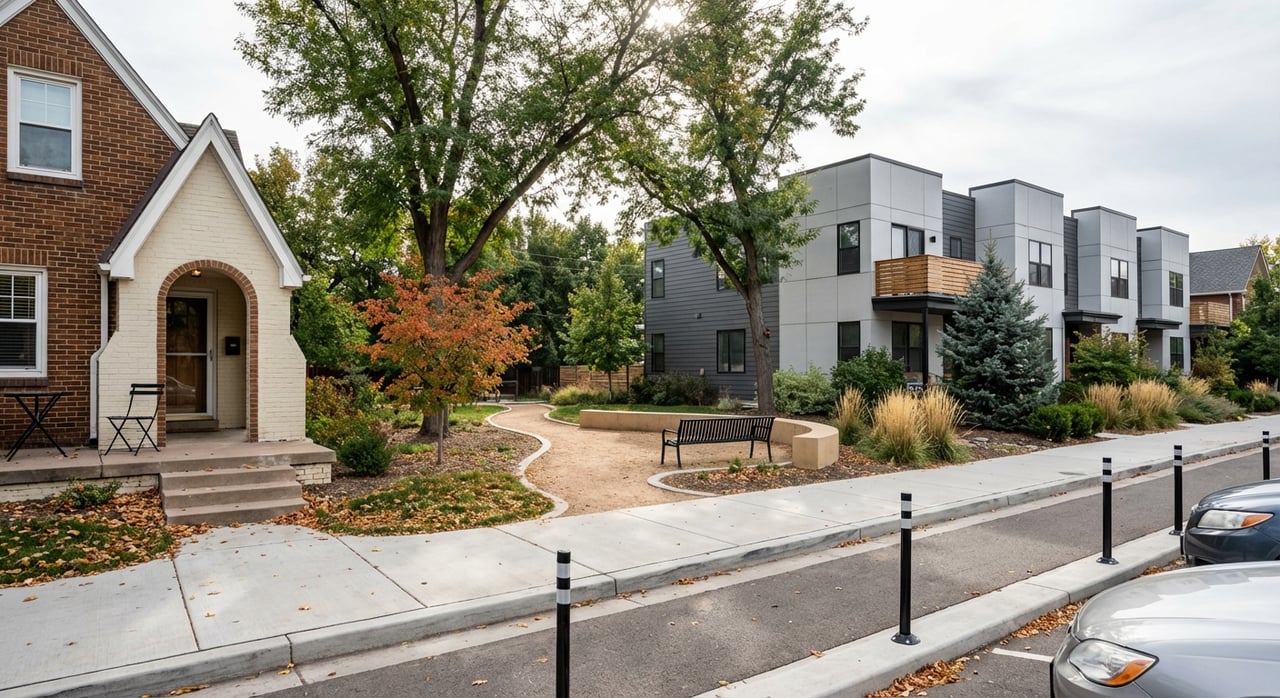
Some areas function like a small town center with a plaza, regular events, and quick errands on foot. Others feel more residential, with greenways and pocket parks outside your porch but fewer restaurants within a 5- to 10-minute walk. Your preference here shapes evening plans and how often you reach for the car.
Parks, trails, and nature access
If you want daily trail runs, birding, or a quieter, nature-forward vibe, look to pockets tied to Westerly Creek, Bluff Lake, or the edges near the Rocky Mountain Arsenal. You can learn more about visiting rules and programs at Bluff Lake Nature Center and the Rocky Mountain Arsenal National Wildlife Refuge.
Housing stock and lot size
Central Park includes everything from compact condos and townhomes to larger single-family homes with sizable yards. That mix changes by pocket. Larger lots and premium park adjacency often come at higher prices. Smaller-lot or attached options can reduce maintenance and lower the entry price.
Community programming
Areas with plazas and greens host farmers markets, concerts, movie nights, and seasonal activities. These hubs can reduce your need to drive for entertainment and help you meet neighbors more easily. Check the community’s parks and amenities page for a sense of where gathering spots are concentrated.
Quick map of the micro-areas
Below is a simple framework to see how daily life shifts from pocket to pocket.
Conservatory Green and East 29th
These are Central Park’s most walkable, mixed-use hubs, home to signature greens and plazas that host regular markets and concerts. Daily life often means quick errands on foot, spontaneous dinners out, and easier last-mile access to the A Line. Housing skews to condos, townhomes, and some smaller-lot single-family homes. If you like an “urban village” feel within a residential neighborhood, start here.
Eastbridge and Bluff Lake
Running along Westerly Creek and near Bluff Lake Nature Center, this pocket puts trails and restored riparian corridors at your doorstep. Expect easy nature outings, birding, and longer trail loops, with fewer restaurants within a short walk. Housing is a mix of townhomes near small retail clusters and single-family homes with more green views. Review current visitor info and trail guidelines at Bluff Lake Nature Center.
North End
The North End features larger single-family lots, generous parks, and a concentration of family-oriented amenities, including the community’s largest pool complex. Day to day, you get quieter streets, more private yard space, and quick access to playgrounds. Town centers are a short drive or bike ride away. The area often represents the higher end of single-family pricing inside Central Park.
South End and Greenway
Anchored by Greenway Park, the skate park, community garden, and direct trail connections, this area supports an active lifestyle. You can expect frequent park time, easy family play spaces, and strong trail access. Housing types vary by block, from modest to larger single-family homes and townhomes. Explore park highlights on the community’s parks and open space page.
Beeler Park, Wicker Park, and Willow Park East
These quieter residential pockets center on pocket parks, short blocks, and porch-forward streets. Green space is woven into daily life, often right outside your front door. You will typically drive or bike for larger errands and dining. If you want a neighborly feel with immediate park access, this cluster is a fit. Get a sense of the park network via the community’s amenities overview.
Northfield edge and the Arsenal adjacency
On the northern edge, you have fast access to big-box retail and employment in the Northfield area and proximity to the region’s major open-space refuge. The Rocky Mountain Arsenal National Wildlife Refuge offers an 11-mile wildlife drive and extensive trails. The tradeoff is living on the neighborhood edge rather than in a town-center pocket.
Daily life tradeoffs: match your priorities
Use these quick prompts to focus your search.
- If commute predictability matters, favor blocks within an easy walk or bike of Central Park Station. Check current frequency and travel times on RTD.
- If you want weekly markets and regular events, target the green-and-plaza pockets in Conservatory Green and East 29th, where programming often concentrates.
- If you want a larger yard and quieter streets, prioritize the North End and select blocks in Willow Park East and Beeler Park.
- If you value nature and long runs more than evening walkability, look closer to Bluff Lake, Westerly Creek, or the Arsenal edge. Confirm current hours and rules at Bluff Lake and the Arsenal.
- If you need quick access to the Anschutz Medical Campus, Eastbridge and the eastern blocks of Central Park are typically a short drive away. Always verify drive times during your commute window.
What to verify on the ground
Before you commit, plan a few simple checks.
- Visit at different times. Stop by on a weekday morning, a weekday evening, and a weekend morning to see traffic, parking, and noise patterns.
- Confirm transit plans. Review any schedule or service alerts on RTD before you rely on a daily rail commute.
- Double-check school options. School boundaries and enrollment processes can change. For context about local charter expansions in past years, see this reporting from Chalkbeat Colorado. Contact the district and schools directly for current assignments.
- Review HOA and MCA details. The Master Community Association operates many shared assets, and fees and rules vary by sub-association. Ask for current documents and budgets, and visit the MCA resources directory for context.
- Know the nature rules. If you plan to use Bluff Lake or the Arsenal often, confirm pet policies, permitted activities, and trail hours at Bluff Lake Nature Center and the Arsenal.
Pricing snapshot and housing mix
Central Park offers a full spectrum of homes. Recent neighborhood summaries put the median price in the mid $700,000s, with attached homes at lower price points and $1 million-plus sales in premium single-family pockets. As you tour, compare by pocket rather than the neighborhood as a whole, since lot size, park adjacency, and product type vary widely. For a real-time view, rely on current MLS data for your specific sub-area and home type.
How we help you find the right fit
Choosing between Central Park’s mini neighborhoods is about lifestyle first. We guide you through that conversation, then back it up with data and on-the-ground touring.
Here is what you can expect:
- A lifestyle-first discovery call to translate your commute, park, and walkability goals into a focused shortlist.
- A pocket-by-pocket tour plan that shows the differences you will feel on a random Tuesday, not just on a sunny weekend.
- Clear pricing and comps by sub-area, plus guidance on HOA and MCA documents so you know the full picture.
- If you are selling, design-forward marketing through our boutique platform to present your home with polish and attract the right buyers.
Ready to compare Central Park’s micro-areas side by side and find your fit? Connect with Kendall Boyd and Sara Wilhelm for neighborhood-first advice and a tailored plan.
FAQs
What are the main mini neighborhoods in Central Park?
- Central Park is organized into smaller sub-areas such as Conservatory Green, East 29th, Eastbridge, Bluff Lake, North End, South End and Greenway, Beeler Park, Wicker Park, Willow Park East, and the Northfield edge, each with its own daily-life feel.
How does A Line proximity affect daily commute in Central Park?
- Living near Central Park Station can shorten and stabilize your commute to Union Station and DIA via the RTD A Line; always check current service details on RTD’s facilities page.
Where are parks and pools concentrated in Central Park?
- Parks and pools are spread across the neighborhood, with large anchors like Central Park and the North End pool complex and many pocket parks; see the community’s parks and open space overview.
What is the current price range in Central Park?
- Recent summaries place the median in the mid $700,000s, with options from lower-priced townhomes and condos to $1 million-plus single-family homes in premium areas; verify current pricing with MLS data.
Which areas offer the most nature access in Central Park?
- Eastbridge and Bluff Lake offer quick access to trails and birding at Bluff Lake Nature Center, and the northern edge is close to the Rocky Mountain Arsenal National Wildlife Refuge.
What should I verify before making an offer in Central Park?
- Visit at multiple times of day, confirm RTD schedules, review HOA and MCA documents via the MCA directory, and check school boundaries and enrollment directly with the district.