Wondering whether to add up or move on in Washington Park? If you love your block, your lot, and your daily routine, a pop-top can sound like the perfect answer. But in a neighborhood with historic context, premium home values, and address-specific zoning rules, the better choice is not always obvious. This guide will help you weigh the real tradeoffs between popping the top and trading up in Wash Park. Let’s dive in.
Why this choice is different in Wash Park
Washington Park is not just any Denver neighborhood. According to the Denver Public Library’s Washington Park neighborhood history, the park was laid out in 1889, residential construction was underway by 1911, and the area’s historic character remains part of its identity today.
That matters because a second-story addition is rarely just a square-footage decision here. In many cases, the fit of the project with the existing home, lot, and surrounding context matters just as much as the final number of bedrooms or baths.
The neighborhood also sits in a very different price tier than much of Denver. In February 2026, Redfin’s Washington Park market data showed a median sale price of $1.5 million and median days on market of 63, while Realtor.com’s Washington Park market snapshot reported a median home sale price of $1.80 million, 74 homes for sale, and a 98% sale-to-list ratio.
In other words, you are making this decision in a premium market. That often raises the stakes, whether you are investing in your current home or buying your next one.
What a pop-top really involves
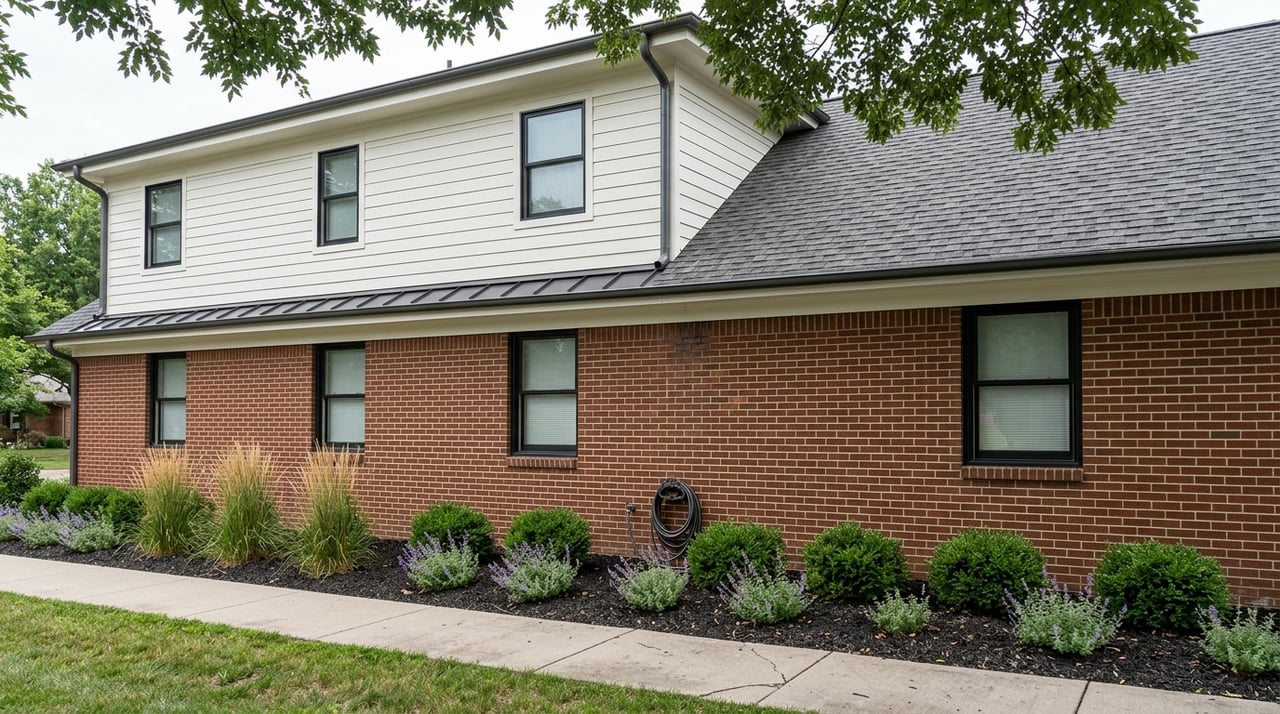
A pop-top is more than a remodel. In Denver, an addition typically requires zoning, building, and sewer use and drainage permits, and depending on the property, it may also require demolition, transportation, forestry, right-of-way, and other approvals, according to the city’s new homes and additions guidance.
The city also notes that additions greater than 400 square feet are classified as major residential projects for plan review. As of May 22, 2025, trade permit applications for new construction and addition projects also require an issued Residential Construction Permit first.
That means a pop-top usually comes with several phases:
- Property and zoning research
- Design and feasibility work
- Permit review and approvals
- Construction planning
- Active construction on site
- Final inspections and closeout
If you are hoping for a quick fix, this is usually not it. Even when the project is a good long-term move, it helps to go in with realistic expectations about complexity and disruption.
Start with your exact address
In Washington Park, general neighborhood advice only gets you so far. Denver’s zoning code is context-based, and the city says zone district codes reflect neighborhood context, use type, and either minimum lot size or maximum building height. That is why the first step should always be address-specific verification through the city’s zoning code and zone descriptions.
Denver also directs homeowners to research their property for zone district, landmark status, and floodplain designation before moving forward. So before you compare contractor bids or sketch a dream primary suite, you will want to understand what your lot actually allows.
A few key questions matter right away:
- What is your current zone district?
- What height limits apply to your property?
- Is the home individually landmarked?
- Is it located within a historic district?
- Are there site constraints that affect the building envelope?
These are the kinds of details that can make a pop-top straightforward on one block and difficult on the next.
The Wash Park view plane can change everything
One of the biggest local issues is the Washington Park view plane. Denver states that any part of a structure within the view plane is subject to the applicable height limit, which can create a much tighter vertical envelope for homes near the park. You can review the city’s view plane rules here.
This is a major reason not to assume that a second story will work simply because another home nearby has one. Two similar-looking homes can have very different constraints based on exact placement, lot conditions, and city regulations.
If a property is individually landmarked or inside a historic district, Denver also requires a certificate of appropriateness before building and zoning permits are issued. That extra review step can affect both timeline and design options.
How long could a pop-top take?
Denver does not make fixed timing promises, and that is important to keep in mind. The city’s average plan review times page says estimates are based on current 90-day averages and updated daily, with actual review times varying by project.
Historically, Denver Community Planning and Development said in January 2024 that residential plan review times for single-family and duplex projects were averaging 2 to 4 weeks after backlog conditions improved, down from 12 to 15 weeks in fall 2022. That gives useful context, but it should not be treated as a guaranteed schedule.
From a homeowner’s perspective, the takeaway is simple: a pop-top is a multi-stage process. Even before construction starts, you may spend meaningful time on planning, design coordination, and permit review.
When a pop-top may make sense
In general, a pop-top is the stay-put option. It often makes the most sense if you want to remain in Washington Park for the long term, your home can support the work structurally, and your address is not heavily constrained by the view plane or historic review.
That logic is especially relevant in a neighborhood where pricing remains high and inventory can be limited. In a market where homes commonly trade around the $1.5 million to $1.8 million range, improving your current home may help you preserve the location you already value while avoiding the logistics of moving.
A pop-top may be worth deeper exploration if:
- You love your lot and location
- You want more space without leaving Wash Park
- You expect to stay long term
- Your property appears feasible from a zoning and height standpoint
- You are comfortable with a longer planning and construction process
For many owners, the emotional side of this matters too. If your current home already fits your lifestyle in every way except size, adding on can be more appealing than starting over.
When trading up may be smarter
Trading up is usually the speed-and-simplicity option. If you need more space sooner, want to avoid major permitting complexity, or learn that your lot has tight site or height constraints, buying another home may be the cleaner path.
This can be especially true if your renovation goals depend on a full second story and your address cannot efficiently support it. In that case, trying to force the project may cost time and energy without delivering the layout you really want.
The purchase market also gives you alternatives beyond central Wash Park itself. In the same Realtor.com snapshot, Washington Park West market data showed a median list price of $874,250 and 29 active listings, while the Colorado Association of REALTORS® reported a February 2026 Denver County single-family median sales price of $640,000 with 2.3 months of inventory through Realtor.com’s local market page.
That does not mean moving will be cheaper in every case. It does mean your money may stretch differently depending on whether you stay in Wash Park, look nearby, or broaden your search across Denver.
A practical way to compare both paths
If you are torn, it helps to compare the two options side by side.
| Option | Usually best for | Main upside | Main challenge |
|---|---|---|---|
| Pop-top | Owners who want to stay in Wash Park long term | Keep your location and improve the home | Permitting, design limits, and construction disruption |
| Trade up | Owners who need space faster or want less project complexity | Potentially quicker path to more space | You may give up your current lot, block, or neighborhood position |
The market signals are mixed, so it is wise to avoid all-or-nothing thinking. Realtor.com characterizes Washington Park as a buyer’s market, while Redfin describes it as somewhat competitive. That means neither path is automatically easier or cheaper.
Questions to answer before you decide
Before you choose, try to get clear answers to a few practical questions:
- Is your exact property within the Washington Park view plane?
- Does your zone district support the height and form you want?
- Is the home landmarked or in a historic district?
- How much time are you willing to spend planning and living through construction?
- Would your cash be better used toward a purchase instead of an addition?
- If you moved, would you want to stay in Wash Park or consider nearby neighborhoods?
These questions can quickly reveal whether your decision is mostly financial, mostly lifestyle-driven, or a blend of both.
The right answer depends on fit
In a neighborhood like Washington Park, the best choice is usually the one that fits your timeline, your property, and the way you want to live. A pop-top can be a smart move when you are committed to staying put and your address supports the project. Trading up can be the better move when speed, simplicity, or site constraints point you toward a different home.
If you want help weighing your options, Kendall Boyd and Sara Wilhelm can help you look at the decision from both sides, whether that means evaluating your current home’s market position, exploring nearby inventory, or thinking through what move makes the most sense for your next chapter.
FAQs
How do I know if my Washington Park home is in the view plane?
- Check your property against Denver’s view plane regulations, since homes near the park may have tighter height limits.
Does Denver zoning allow a second story on every Washington Park home?
- No. Denver’s zoning is address-specific, so you need to verify your exact zone district and related standards through the city’s zone descriptions.
Do historic rules affect pop-top plans in Washington Park?
- Yes. If your property is individually landmarked or located in a historic district, Denver requires a certificate of appropriateness before building and zoning permits are issued.
How long do permits take for a Denver home addition?
- Denver says review-time estimates are based on live 90-day averages and vary by project, so it is best to monitor the city’s average plan review times instead of relying on a fixed timeline.
Is buying another home better than adding on in Washington Park?
- It depends on your priorities. A pop-top is often the stay-put option, while trading up is often the faster and simpler option, especially if your current property has height or design constraints.
How does the Washington Park housing market compare with nearby options?
- Washington Park remains a premium market, while nearby and broader Denver options may offer different price points, including Washington Park West and Denver County overall, according to local market data.