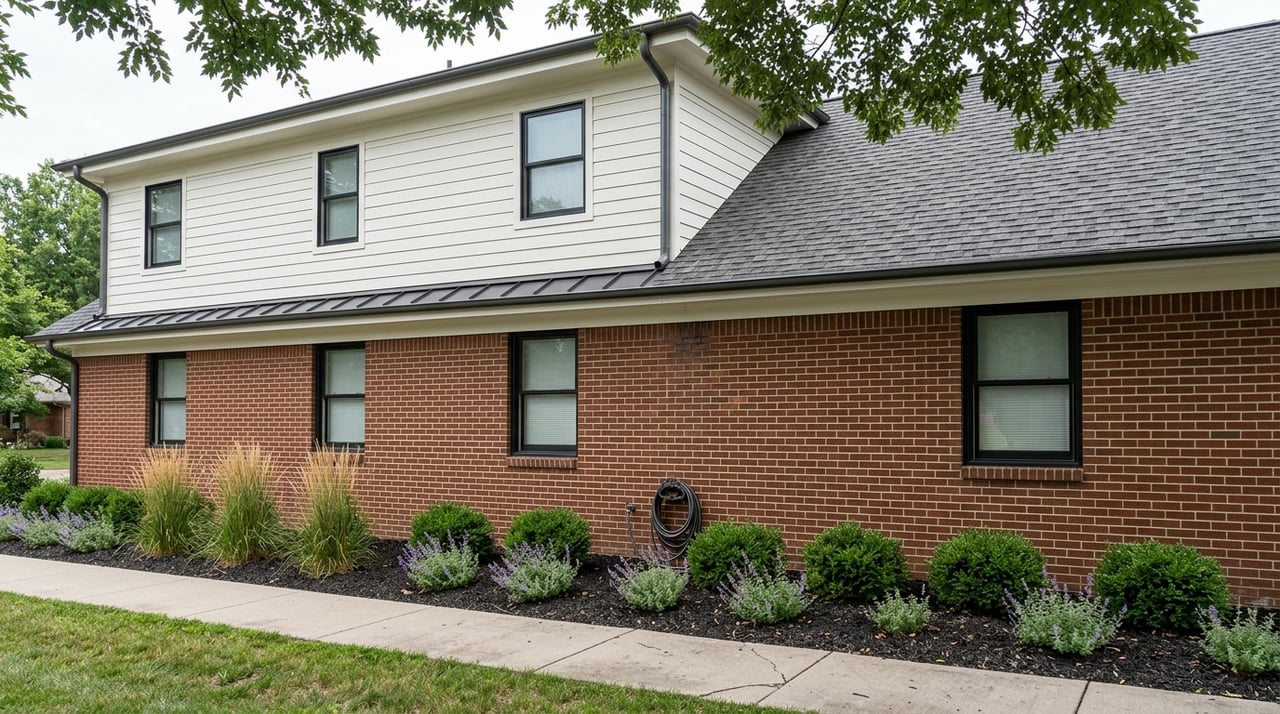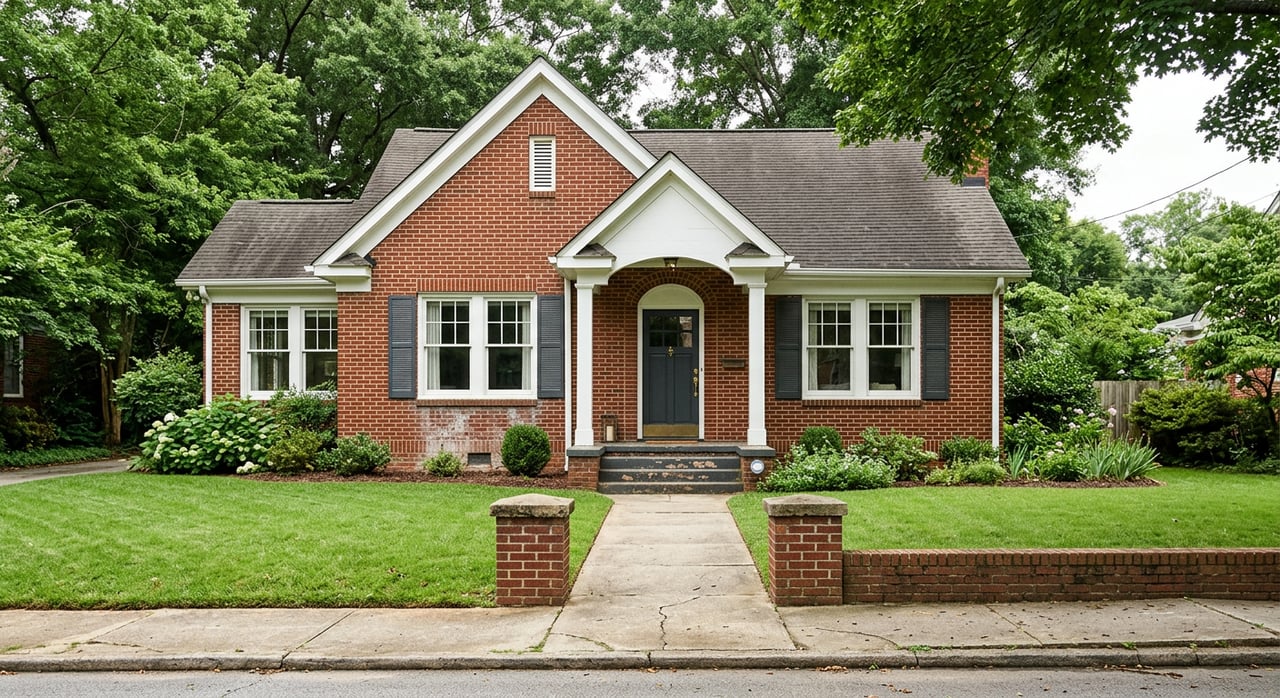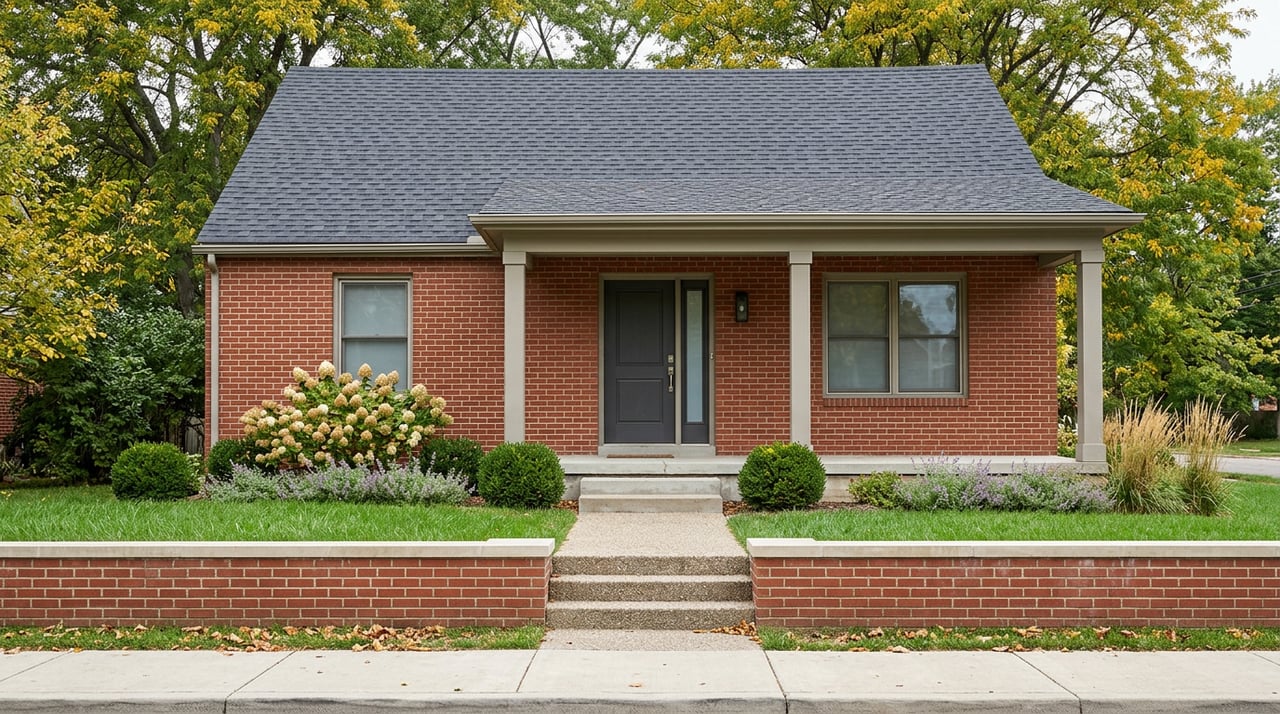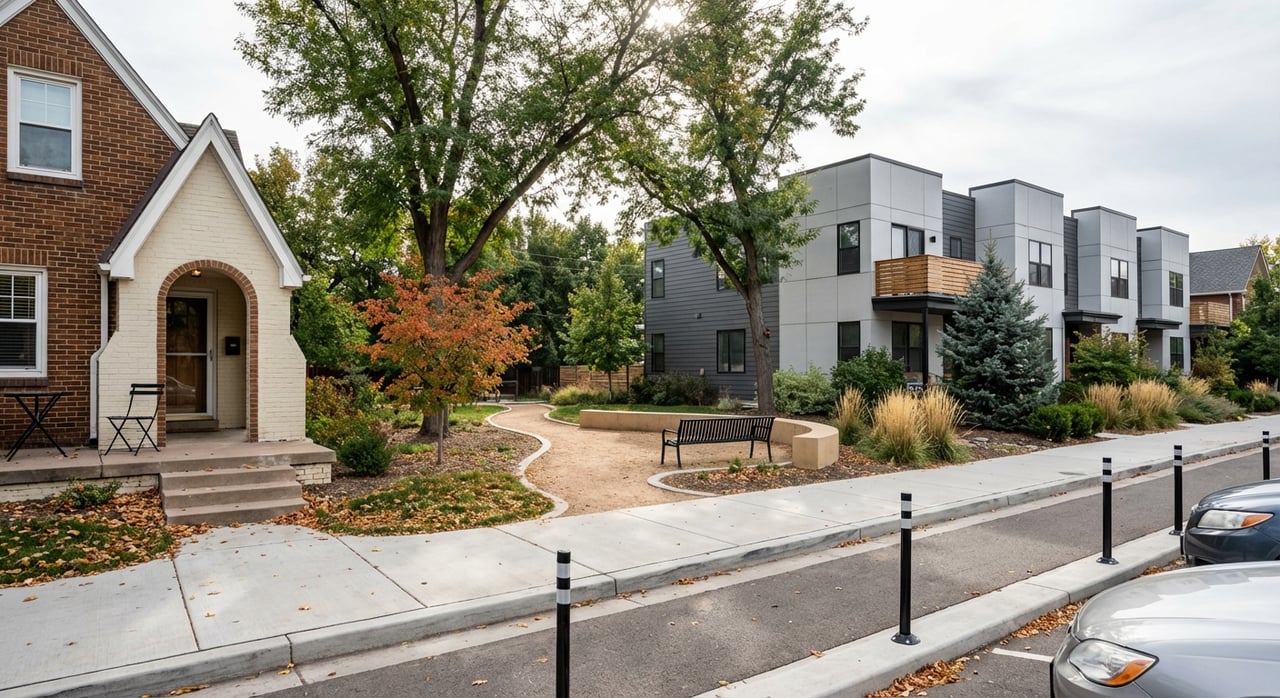
Craving condo living next to Denver’s signature green space and cultural hotspots? If City Park’s lakes, trails, and museums are part of your daily routine, a nearby condo can put that lifestyle on repeat. You may also be wondering how parking works, what HOA dues actually cover, and how to compare older charm with newer amenities. This quick guide breaks down City Park condos in plain language so you can shop with confidence and avoid surprises. Let’s dive in.
Why City Park appeals
City Park anchors central Denver with expansive lawns, lakes, and trails, plus year-round programming. Living close to the park gives you easy access to the outdoors along with two of Denver’s biggest attractions, the Denver Zoo and the Denver Museum of Nature & Science. Many buildings sit within a short walk or ride of the park, which is a major lifestyle win.
You are also a quick hop to Colfax Avenue dining and entertainment. Depending on your exact block, daily errands and coffee stops may be walkable, bikeable, or a short transit ride away.
Building types to know
Historic conversions
These early 1900s to 1930s brick walk-ups often feature high ceilings, hardwood floors, and classic trim. They may offer fewer amenities and limited parking. Plan to review building maintenance and capital needs like roofs, windows, and plumbing.
Mid-century walk-ups
Typically 2 to 4 stories with smaller common areas and often no elevator, these buildings can deliver efficient floor plans at a moderate scale. They may have surface parking or street-only parking, so verify your day-to-day setup.
Modern mid-rise and infill
Four to eight stories with elevators, structured or underground parking, and contemporary finishes are common here. You may see more amenities, which can raise monthly dues. Newer construction sometimes comes with stronger warranties and building systems.
Floor plans, parking, storage
Layouts and sizes
City Park condos commonly include studios, 1-bedrooms, 1-bedroom plus den, and 2-bedrooms, with occasional 3-bedrooms or penthouses in newer mid-rises. Typical sizes: studios about 350 to 650 square feet, 1-bedrooms about 500 to 900 square feet, and 2-bedrooms about 800 to 1,400 plus square feet. Always confirm square footage in the listing and public records.
In-unit laundry is common in post-2000 buildings. Historic buildings may have shared laundry rooms or compact in-unit setups.
Parking essentials to verify
Parking can be deeded garage spaces, deeded surface stalls, or assigned spaces. Some older conversions include no dedicated parking. Ask whether the space is deeded or just assigned, whether it conveys with the unit, and if there are monthly or annual parking fees. Tandem spaces exist in some garages and may affect daily convenience. Guest parking policies vary by HOA.
Storage and bike rooms
Mid-rise buildings often provide basement or garage-level storage lockers that are deeded or assigned. Newer developments may offer bike rooms. Confirm if there is a fee for storage, whether the space is climate controlled, and what in-unit closet space looks like.
Elevators and accessibility
Elevators are typical in mid-rise buildings and less common in 2 to 4 story walk-ups. If stairs are a concern, focus your search on buildings with elevators and test ride times during your tour.
HOA dues, coverage, and documents
Colorado condominium communities operate under the Colorado Common Interest Ownership Act. For a high-level look at governance and owner rights, review the Colorado Division of Real Estate’s HOA resources. HOAs collect dues, maintain common areas, manage reserves, and enforce rules. You should request governing documents and financials during due diligence.
What dues often include
Common inclusions: master building insurance, exterior maintenance, water and trash, snow removal, landscaping, elevator service, management fees, and reserves for capital repairs. Amenity-rich buildings may include fitness centers, pools, concierge, and janitorial services, which can increase dues. Some HOAs include certain utilities, while others bill owners directly.
Typical fee ranges
- Minimal-service historic buildings: potentially under $300 per month.
- Mid-range buildings with structured parking or some amenities: often about $300 to $600 per month.
- Full-service or luxury buildings: can exceed $600 to $1,000 plus per month.
These are broad estimates. Always rely on current HOA disclosures and MLS data for exact amounts.
How to gauge HOA health
- Review the latest reserve study and current reserve balance.
- Compare the operating budget to actual expenses.
- Ask about special assessments in the last 3 to 5 years and any pending votes.
- Check owner-occupancy levels and any pending litigation.
- Note whether the building is professionally managed or self-managed.
Insurance basics
Understand what the master policy covers and what your HO-6 must cover inside your unit. Ask about master policy deductibles, since high deductibles can lead to special assessments when major claims occur.
Financing and project approvals
Many lenders need the condo project to meet specific program standards. If you plan to use FHA or VA financing, confirm project approval with your lender early. For background, see HUD’s overview of FHA condominium mortgage insurance and Fannie Mae’s condo project standards. These guidelines consider owner-occupancy ratios, reserves, litigation, and commercial space, among other factors.
Plan for an HO-6 policy that aligns with the building’s master insurance. Your lender and insurance agent can help you right-size coverage.
Inspections and condition
Building-level checks
Ask about roof age and condition, elevator service history, waterproofing, foundation, garage drainage, and retaining walls. Building maintenance standards matter for both safety and long-term costs.
In-unit checks
Review plumbing type, electrical panel age and capacity, window seals, ventilation, and HVAC age and condition. Look for signs of moisture or staining.
Older homes and lead safety
For buildings constructed before 1978, discuss lead-based paint disclosures and appropriate inspections with your agent and inspector. For public guidance on lead safety, review the U.S. EPA lead resources.
Getting around and daily life
City Park living pairs well with biking culture and bus access. Routes and frequency vary by corridor, so confirm your commute with RTD trip planning tools. Grocery options and cafes are dotted along nearby streets, and Colfax’s restaurant clusters are a short ride away. For neighborhood and park details, consult the City and County of Denver’s resources on City Park. For public safety data, explore the Denver Police crime maps.
Quick touring checklist
Use this list during showings to keep comparisons clear.
Unit-level
- Unit type and verified square footage
- Orientation and natural light
- Floor level and elevator access
- In-unit laundry location and capacity
- HVAC type and age
- Storage: locker size and location
- Parking: deeded or assigned, tandem, guest options, fees
- Noise sources: near busy streets, park events, or mechanical rooms
- Condition: floors, windows, kitchen, baths, odors, water stains
Building and HOA
- Monthly HOA dues and what they include
- Reserve balance and date of last reserve study
- Special assessments in the past 3 to 5 years or pending votes
- Owner-occupancy percentage and rental policies
- Litigation status
- Management company or self-managed
- Amenities list: gym, rooftop, courtyard, package room, bike storage
- Pet and short-term rental policies
Questions to ask
- When was the last special assessment and why?
- Are capital projects planned, such as roof, exterior, or garage work?
- Any water intrusion or flooding events in the past 5 to 10 years?
- What is the ownership status of parking, and does it convey with the unit?
- Any open violations or code enforcement actions?
- Can I review the last 12 months of board minutes and the latest financials and reserve study?
Side-by-side comparison template
Use this simple table to compare top contenders.
| Building/address | Unit type & size | HOA $/mo | HOA includes | Parking | Storage | Elevator | Owner-occupancy | Special assessments | Walk time to park/DMNS/zoo | Notes |
|---|---|---|---|---|---|---|---|---|---|---|
Red flags to pause on
- Low or zero reserves combined with high dues
- Major pending litigation involving the HOA
- Consistent signs of deferred maintenance
- Unclear deeded parking status or frequent parking disputes
- Ineligibility for the loan program you need
- Large capital projects disclosed late in due diligence
Your next steps
- Get preapproved and confirm your loan program’s condo requirements.
- Shortlist building types that match your lifestyle and accessibility needs.
- Tour with the checklist, then request HOA documents early.
- Compare the true monthly number: mortgage plus HOA plus taxes plus insurance plus utilities.
If you want a City Park condo that fits your day-to-day life, you deserve clear guidance and local insight. Reach out to Kendall Boyd and Sara Wilhelm for neighborhood-first advice, smart comparisons, and a seamless plan from tour to closing.
FAQs
What types of City Park condo buildings exist and how do they differ?
- You will see historic brick conversions, mid-century walk-ups, and modern mid-rise buildings with elevators, each with different amenities, parking setups, and maintenance profiles.
How much are typical HOA dues for City Park condos?
- Minimal-service buildings can be under $300 monthly, mid-range buildings often run about $300 to $600, and full-service options can exceed $600 to $1,000 plus, depending on amenities.
How does parking usually work for condos near City Park in Denver?
- Parking may be deeded garage or surface stalls, assigned spaces, or none at all in some older buildings; verify if the space conveys, whether it is tandem, and any related fees.
What should I check about condo project financing eligibility in Denver?
- If using FHA or VA, confirm project approval early and review program standards like owner-occupancy, reserves, and litigation; see HUD and Fannie Mae guidance for context.
Are City Park condos convenient to transit, biking, and daily errands?
- Many locations offer bike-friendly routes and bus access; verify commute times with RTD trip planning and check proximity to groceries and services near your specific building.
What inspections matter most for older Denver condo buildings near City Park?
- Review roof, elevator service, waterproofing, and building systems; in units, check plumbing, electrical, windows, ventilation, HVAC, and lead safety for pre-1978 buildings.