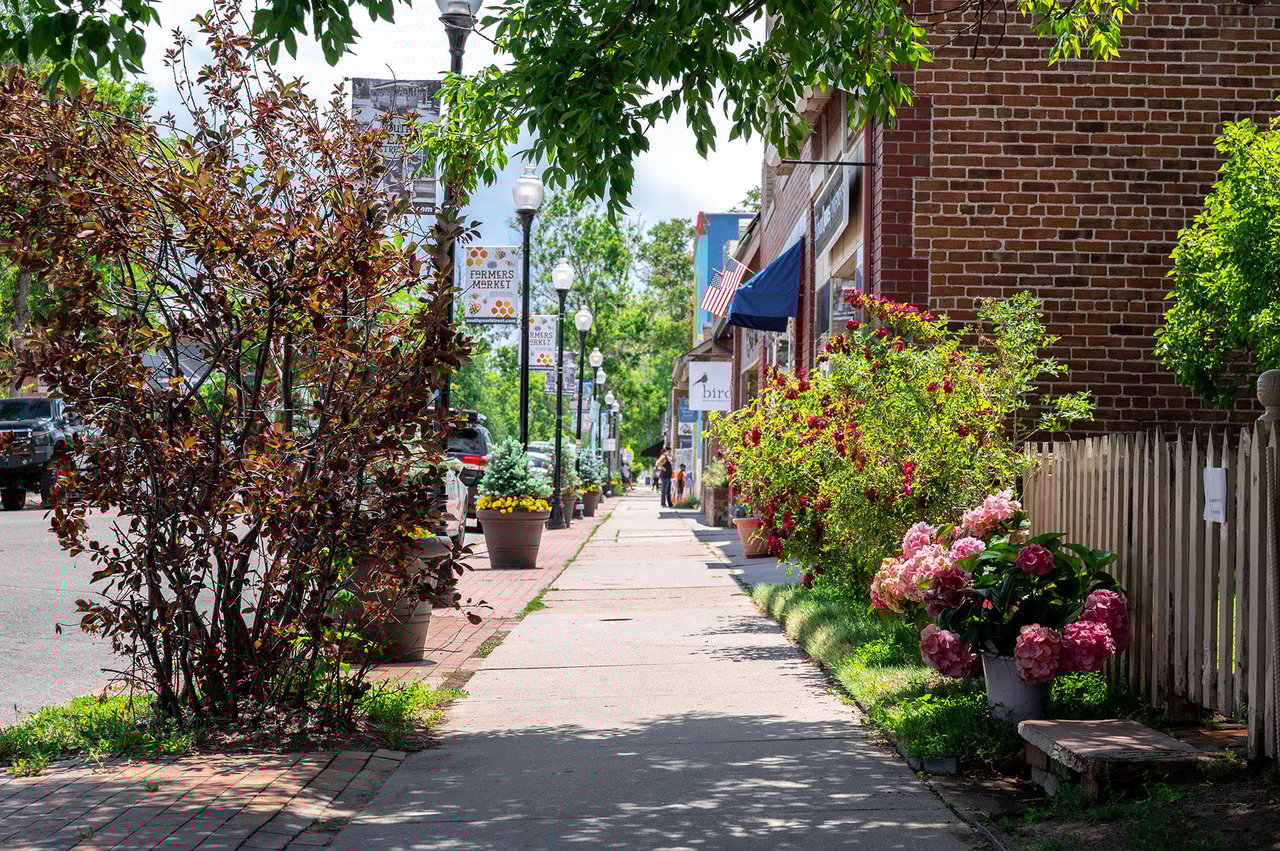
If your perfect Saturday starts with a latte, a stroll to the farmers market, and a picnic in Washington Park, South Pearl in Platt Park should be on your shortlist. You want a neighborhood where daily errands, fitness, and a night out are all a short walk from home. In this guide, you’ll see how to map your own 5-, 10-, and 15-minute life around Old South Pearl, understand the micro-pockets that feel different block to block, and weigh the tradeoffs that come with walkable living. Let’s dive in.
Why walkability matters here
Walkability shapes your routine. When coffee, yoga, groceries, and parks are nearby, you can choose to live car-light while keeping your schedule flexible. It also opens up more ways to commute, including RTD bus and light rail.
For many buyers, walkable blocks hold strong appeal in central Denver. Research shows a positive relationship between walkability and home values, with premiums that vary by market and method. Address-level scores can differ within a few blocks, so treat any number as a guide, not a rule. To understand how those scores are created, review Walk Score’s methodology.
Build your own walking map
You can create a quick, visual answer to “How close are the things I care about?” in a few steps.
- Pick an anchor point
- Choose the central Old South Pearl block you expect to frequent most.
- Use this as your baseline so you can compare multiple homes to the same amenities.
- Set walk-time circles
- On Google My Maps, draw simple radii: 5 minutes is about 0.25 mile, 10 minutes is about 0.5 mile, and 15 minutes is about 0.75 to 1.0 mile.
- For higher accuracy that follows sidewalks and crossings, create network-based isochrones with OpenRouteService or Mapbox.
- Add your daily-life pins
- Coffee and breakfast spots, casual dinner, and takeout options.
- Grocery choices, specialty markets, and a seasonal farmers market on Old South Pearl.
- Fitness studios, parks and playgrounds, dog areas, pharmacies, basic services, and ATMs.
- Major RTD bus stops and nearby light-rail stations. Cross-check locations and frequency using RTD route maps and schedules.
- Color-code micro-pockets
- Use one color for 5 minutes, another for 10, another for 15.
- Label each pin and keep notes on hours and peak times. Walk the area during the times you expect to use it.
- Verify details
- Event days can change the feel of South Pearl. Check current schedules and any temporary closures before you tour.
- If you like to dig deeper on data layers such as parks or bike lanes, explore the Denver Open Data catalog.
Micro-pockets along South Pearl
Different parts of Platt Park offer different walk-life tradeoffs. Here is a simple way to think about it as you compare homes.
Core Pearl
- Best for walk-everything convenience. Morning coffee, dinner, and weekend events are steps away.
- Expect more foot traffic and occasional evening activity, especially on event days.
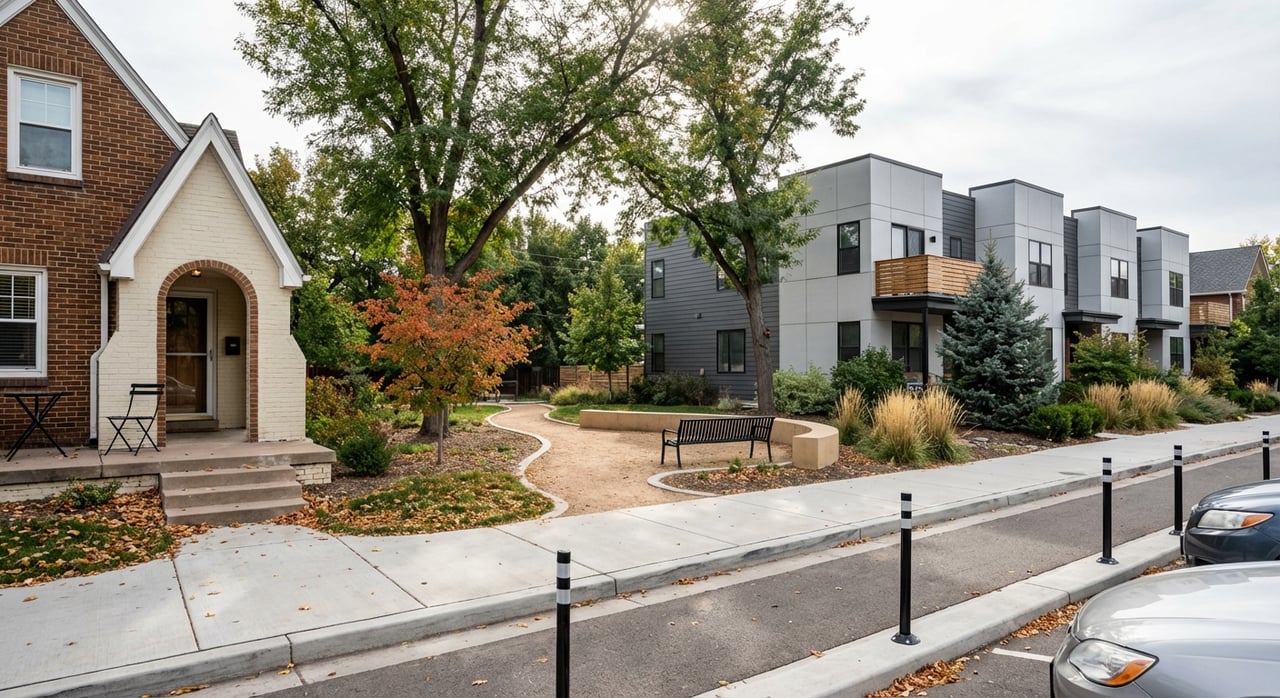
- Housing mix often includes smaller homes, townhomes, and low-rise condos, with limited off-street parking on some blocks.
- Fits buyers who want energy at their doorstep and do not mind a livelier street.
North Platt Park
- Closer to Washington Park access while staying within a short stroll of Old South Pearl.
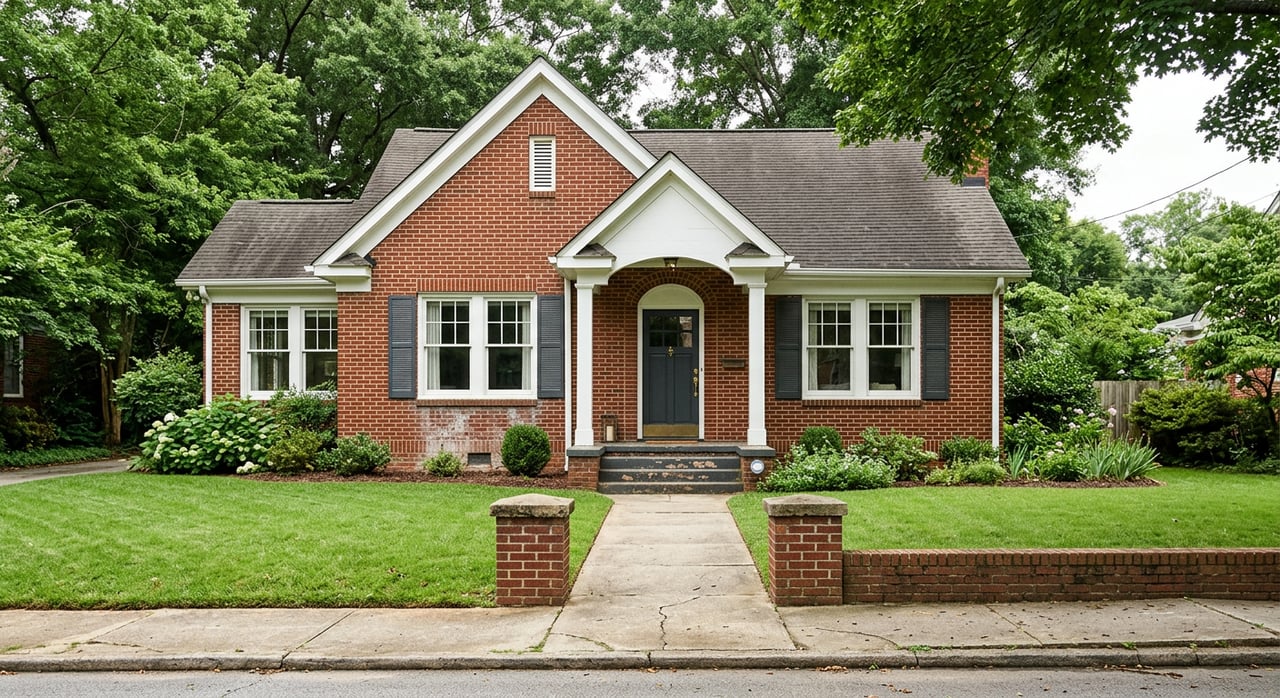
- Quieter residential feel on tree-lined blocks with a mix of bungalows and updated homes.
- A strong pick if daily green space is a priority and you still want easy dining and coffee.
- Consider this pocket if you like a balance of calm streets and fast park access.
South and West pockets
- A touch farther from the central Old South Pearl blocks, which can mean a bit more space or a wider range of home options.
- Many buyers trade a few extra minutes of walking for larger lots or different price points.
- Still close to multiple transit and retail corridors, depending on the exact block.
- A good fit if you value a quieter setting but want Pearl within a 10 to 15-minute walk.
Edges near Baker and Wash Park West
- Border areas can feel different due to the retail and nightlife mix on nearby corridors.
- Expect a broader range of dining and entertainment options within a short bike or walk.
- Consider street noise patterns, traffic, and parking rules that can change across boundaries.
- Works for buyers who enjoy exploring multiple adjacent neighborhoods on foot.
Transit and commuting options
Platt Park’s walkability is amplified by transit access. Several RTD bus routes run nearby, and multiple light-rail stations are a short trip from many blocks. If you commute downtown or to the Tech Center, check typical departure times and frequency.
- Use the RTD route maps and schedules to confirm the nearest stops and estimated travel times from your target block.
- Map your morning and evening commute windows to see how frequency shifts during peak and off-peak hours.
- If you drive, note parking signage and any permit rules on the blocks you are considering.
Parks and green space
Washington Park is a major draw for Platt Park residents. Depending on the exact block, you can expect about a 5 to 15-minute walk to reach the park’s paths and open space. Within Platt Park, you will also find small pocket parks and playgrounds that anchor daily routines.
When you tour, walk to the nearest green space to feel the grade, crossings, and any busy intersections. If you jog or cycle, trace your preferred route and time it from a few candidate homes.
Groceries, fitness, and weekly rhythms
Walkable living is about more than dining out. As you map your week, include:
- Grocery options. In addition to full supermarkets that are a quick drive or bike ride away, note specialty markets and the seasonal farmers market on Old South Pearl.
- Fitness and studios. Yoga, pilates, and training studios are common in and around the corridor, which makes early morning workouts simple.
- Daily essentials. Pharmacies, package drop-offs, ATMs, and basic services should fall within your 10 to 15-minute range if you plan to go car-light.
Visit during a weekend market or street event to see how the neighborhood feels when it is at its busiest, then return on a weekday night for contrast.
What walkability can mean for value
Academic and industry studies often find a positive relationship between walkability and home values. Reported premiums range from modest single-digit percentages to the low double digits depending on the city, methodology, and timing. In Denver’s inner-ring neighborhoods, demand for walkable blocks tends to be strong.
Keep two things in mind. First, premiums can vary from street to street based on property type, condition, and specific location. Second, resale is helped by visible amenities such as an active commercial strip or a large park. If you need a current read on pricing for a specific micro-pocket, it is best to compare recent nearby sales rather than relying on citywide averages.
Tradeoffs to weigh before you buy
Every walkable block comes with choices. Here are the common ones to plan for in Platt Park:
- Noise and foot traffic. Living right on the commercial blocks brings more activity. Tour at night and during weekend events to make sure that vibe fits your lifestyle.
- Parking constraints. Many older homes have limited off-street parking. If you own multiple cars or host guests, check rules and observe the block after dinner.
- Evolving retail mix. Small corridors can see tenant turnover. That can bring new restaurants and shops, but it may also change noise patterns and hours.
- Renovation and infill. High-demand blocks often see renovations or new infill, which can affect streetscapes and property taxes over time.
How to compare homes by walkability
Use this quick checklist when you tour:
- Count daily wins. How many of your top five places are within a 10-minute walk from each home?
- Time the green space. Walk to the nearest park or playground from the front door and note crossings.
- Commute both ways. Use transit directions during your actual commute window, then drive the route to compare.
- Feel the street. Listen for noise, check lighting, and look for pedestrian activity on your likely paths.
- Match property type. Bungalows and older single-family homes near Pearl often command premiums, while condos and townhomes can offer lower-maintenance options close to amenities.
Ready for a neighborhood match?
You deserve a clear, local perspective on how Platt Park supports your day-to-day life. Whether you are buying, relocating, or planning a sale tied to your next move, we help you compare blocks, align property type to lifestyle, and navigate tradeoffs with confidence. If you are considering a move in or around Platt Park, connect with Kendall Boyd and Sara Wilhelm for neighborhood-first advice and smart next steps.
FAQs
How far is Washington Park on foot from Platt Park?
- Many blocks in Platt Park are about a 5 to 15-minute walk from Washington Park depending on your exact starting point.
Is parking difficult if I buy a home on South Pearl in Platt Park?
- Some properties on or near the commercial blocks have limited off-street parking. Check signage and observe evening parking before you decide.
Do homes near Old South Pearl cost more than nearby blocks in Platt Park?
- Homes close to parks or commercial amenities often command premiums in many urban markets, but the size of any premium varies by street and property type.
How is RTD transit access for Platt Park homebuyers?
- Platt Park is close to RTD bus routes and several light-rail stations. Confirm the nearest stops and typical commute times using RTD maps and schedules.